
WPAOG’s Leaders Conference Equips Long Gray Line to Lead into America’s Next 250 Years
By Erika Norton, Senior Multimedia Journalist
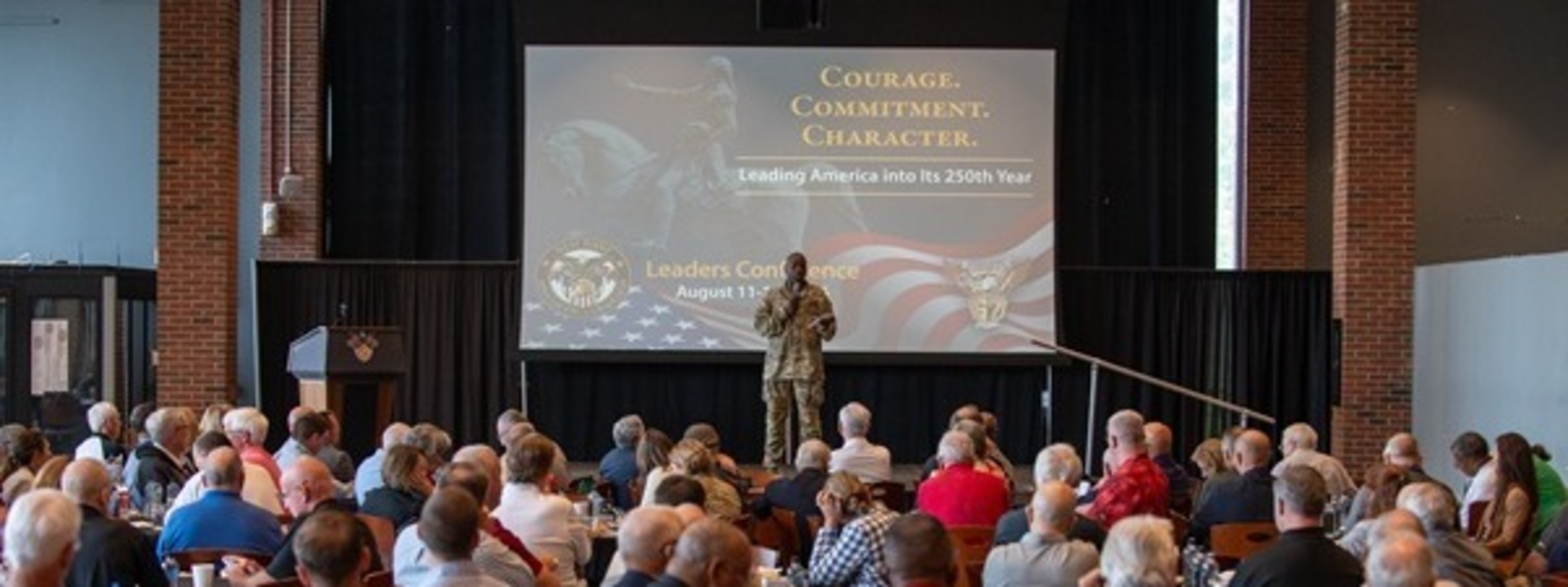
With the nation beginning its next 250 years, West Point Association of Graduates volunteer leaders gathered August 11–15 for Leaders Conference 2026 to strengthen the connections and character that will carry West Point and the Long Gray Line into the future.
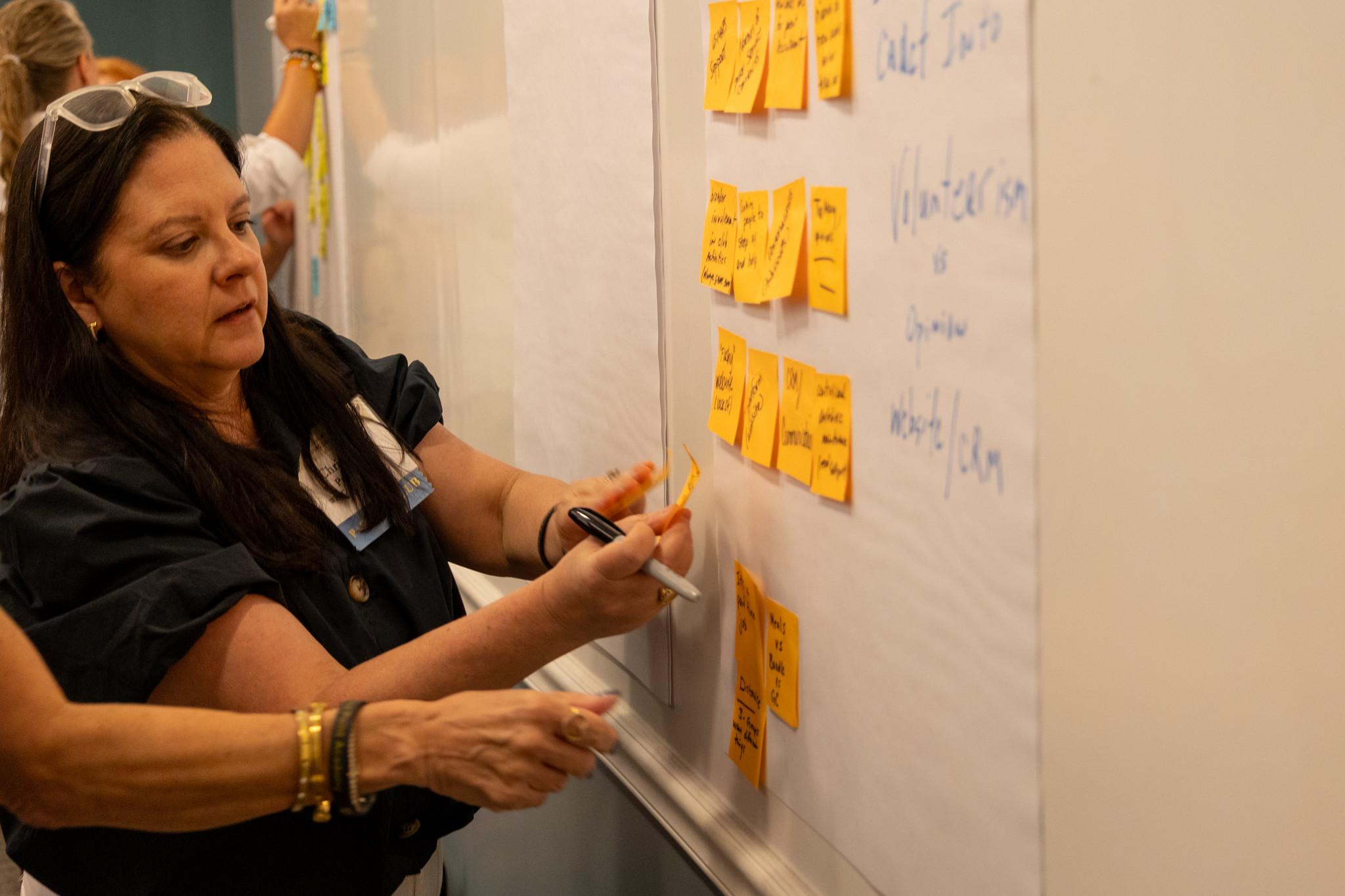
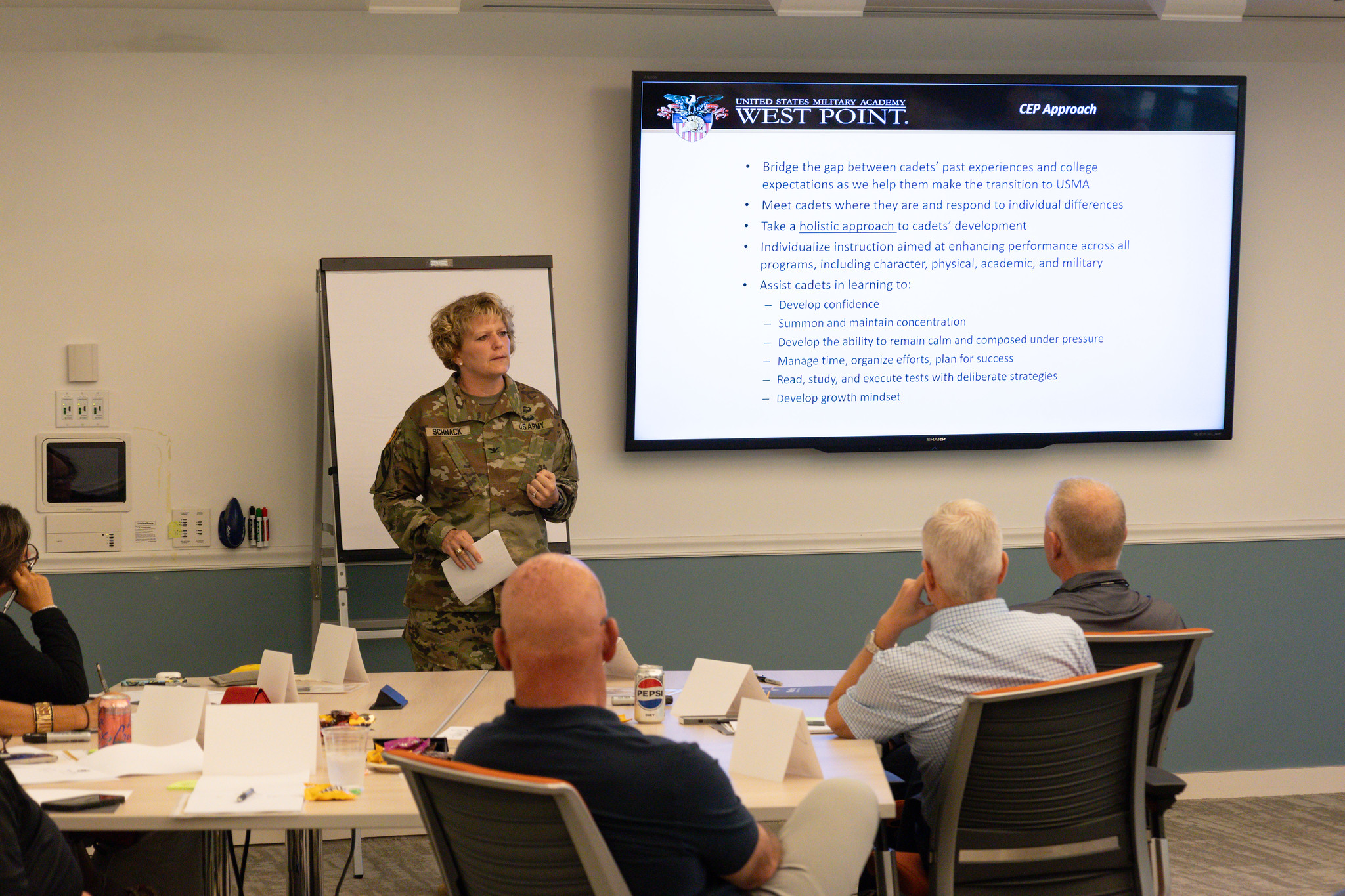
Held at the Windrose on Hudson and West Point under the theme “Courage. Commitment. Character. Leading America into the Next 250 Years,” the conference brought together leaders representing West Point classes, societies, parents clubs and other constituent groups. Across plenary sessions, small-group discussions, Academy updates and social events, attendees shared ideas and practical tools to better serve graduates, families and cadets.
WPAOG Chairman the Honorable Robert A. McDonald ’75 and President and CEO COL (R) Mark Bieger ’91 opened the conference with an update on the Association’s work and a call for candid participation from the volunteer leaders in the room.
“You’re already making us better, and that’s the whole point of the next two days,” Bieger said. “We think we’re doing well, but we can always do better, and we’ll do that with your feedback, your advice, your thoughts and your entire participation.”
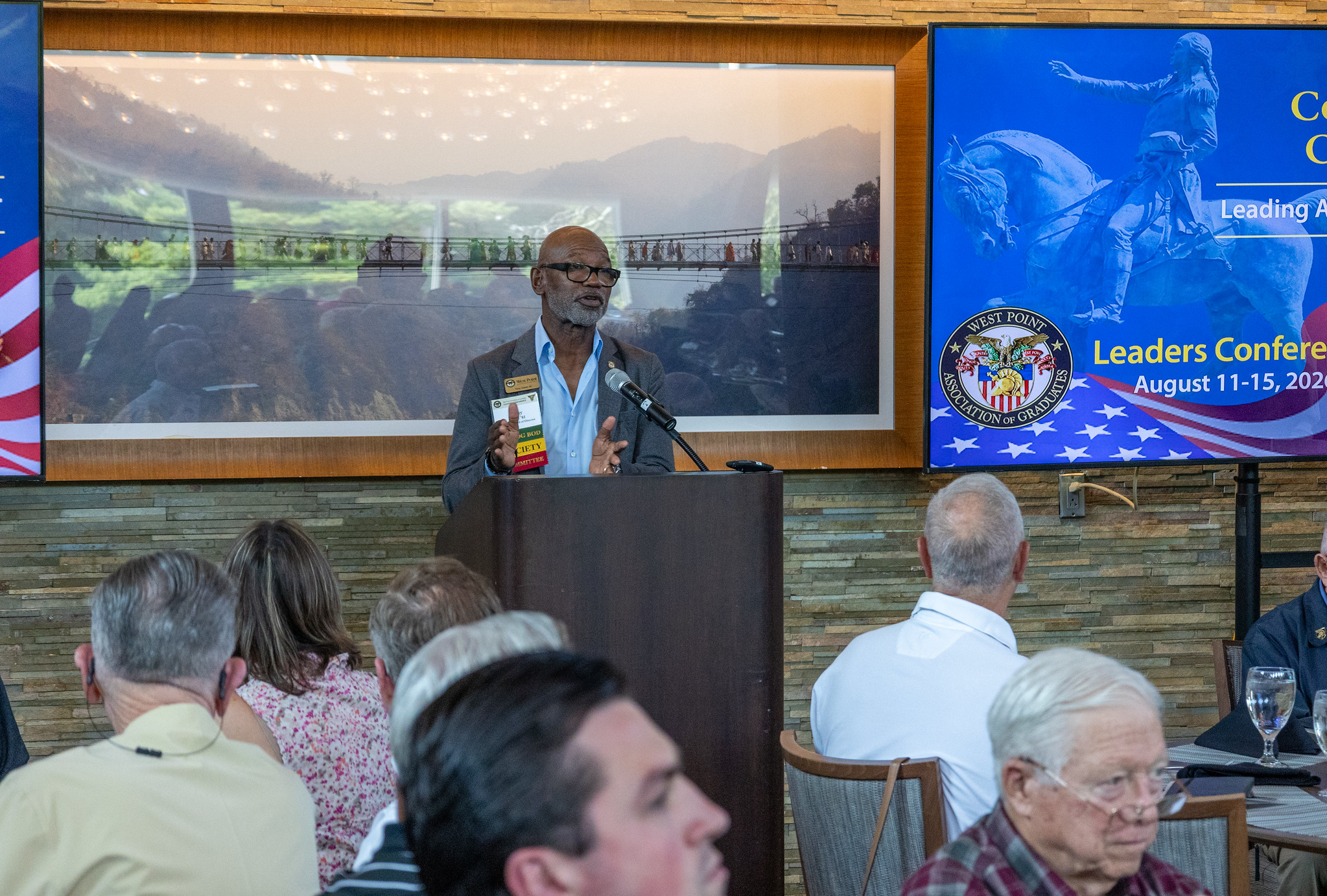
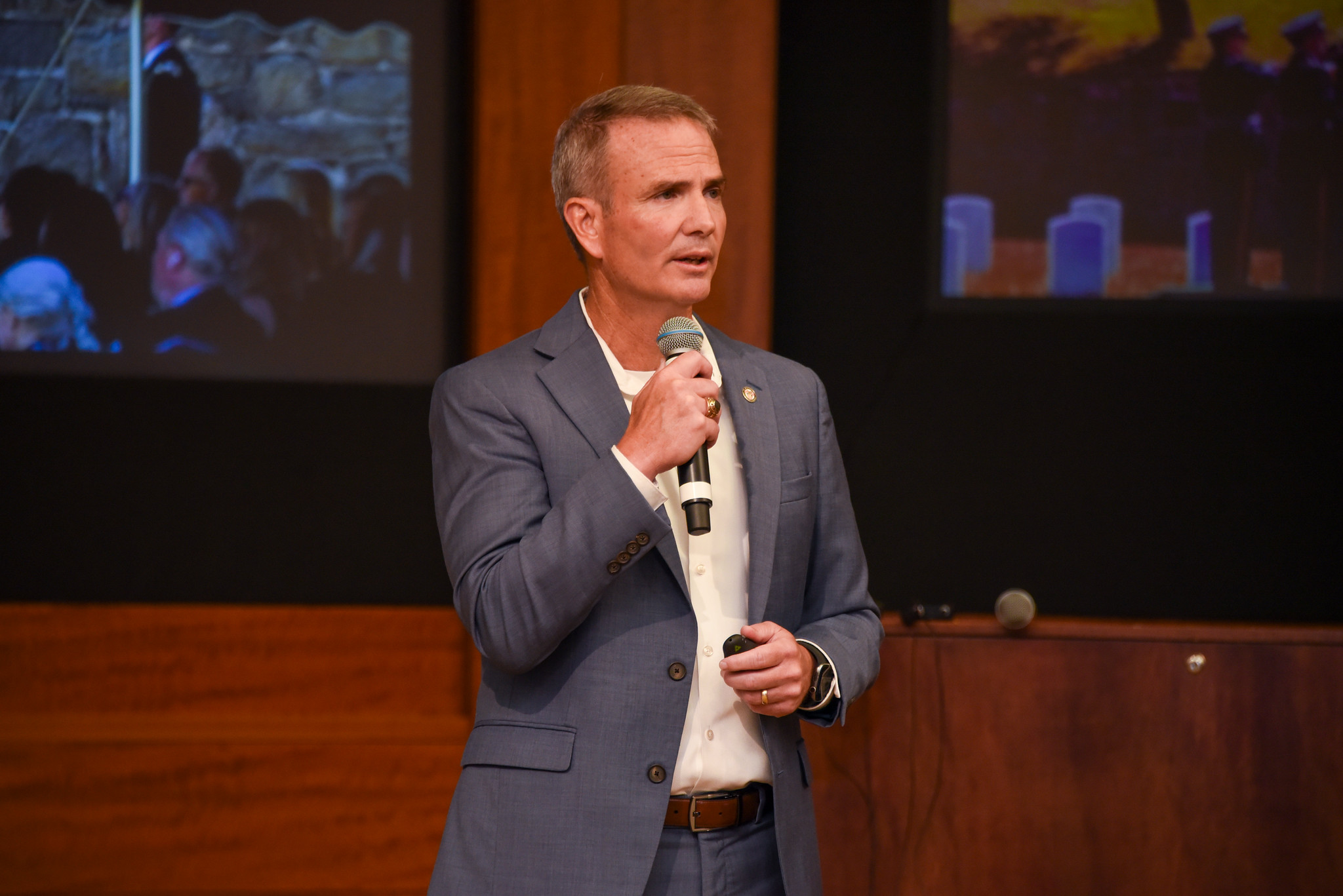
Bieger emphasized WPAOG’s mission to serve West Point and the Long Gray Line, as well as its vision to become the most highly connected alumni body in the world. That connection, he said, allows WPAOG and its volunteers to support graduates and their families at the moments that matter most—from R-Day and the cadet experience to careers, reunions, veteran services and a graduate’s final return to West Point.
“The path is pretty special, but the people are most important,” Bieger said. “That’s why this conference is so valuable to us.”
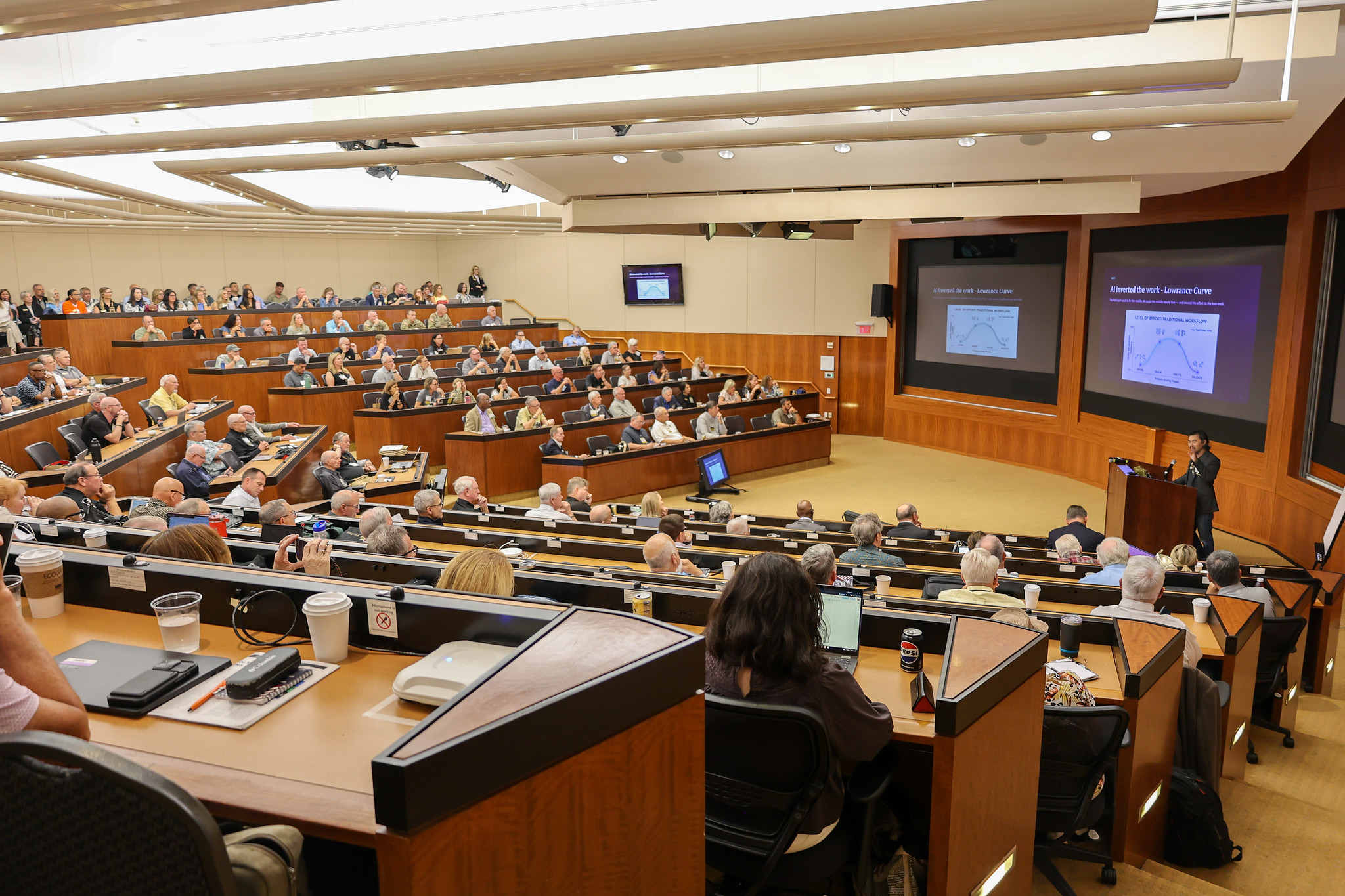
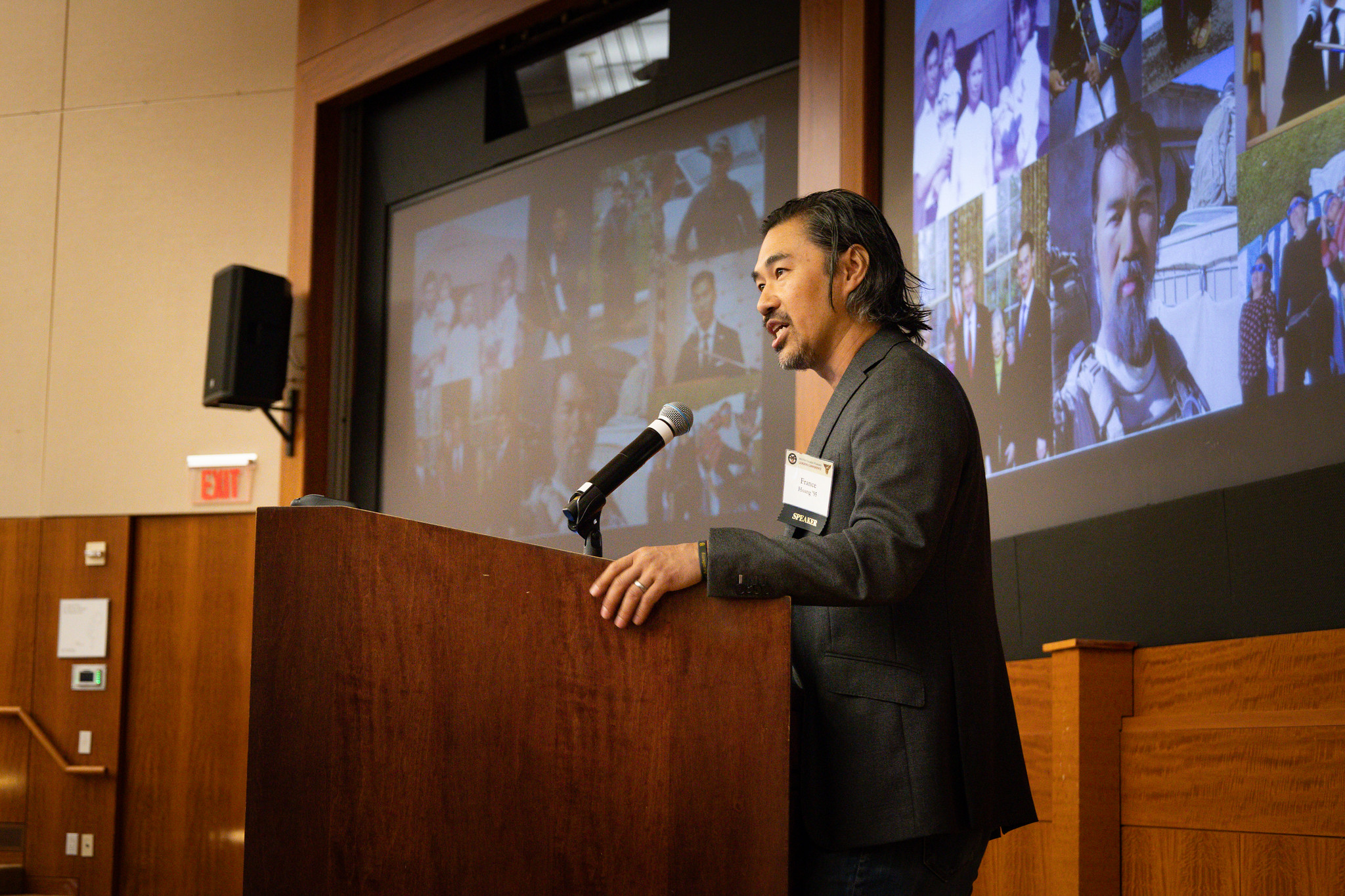
Throughout the conference, speakers explored what enduring leadership looks like amid rapid change. France Hoang ’95, founder and CEO of BoodleBox AI, led “Better Roads, Not Faster Cars: AI for Academy Leaders,” demonstrating how volunteer leaders can use artificial intelligence to support reunion planning, constituent outreach and other work without surrendering human judgment.
“In this era of AI, leadership matters more, not less,” Hoang said. “We now need the wisdom to know what to create and ask ourselves whether what is created is valuable and right.”
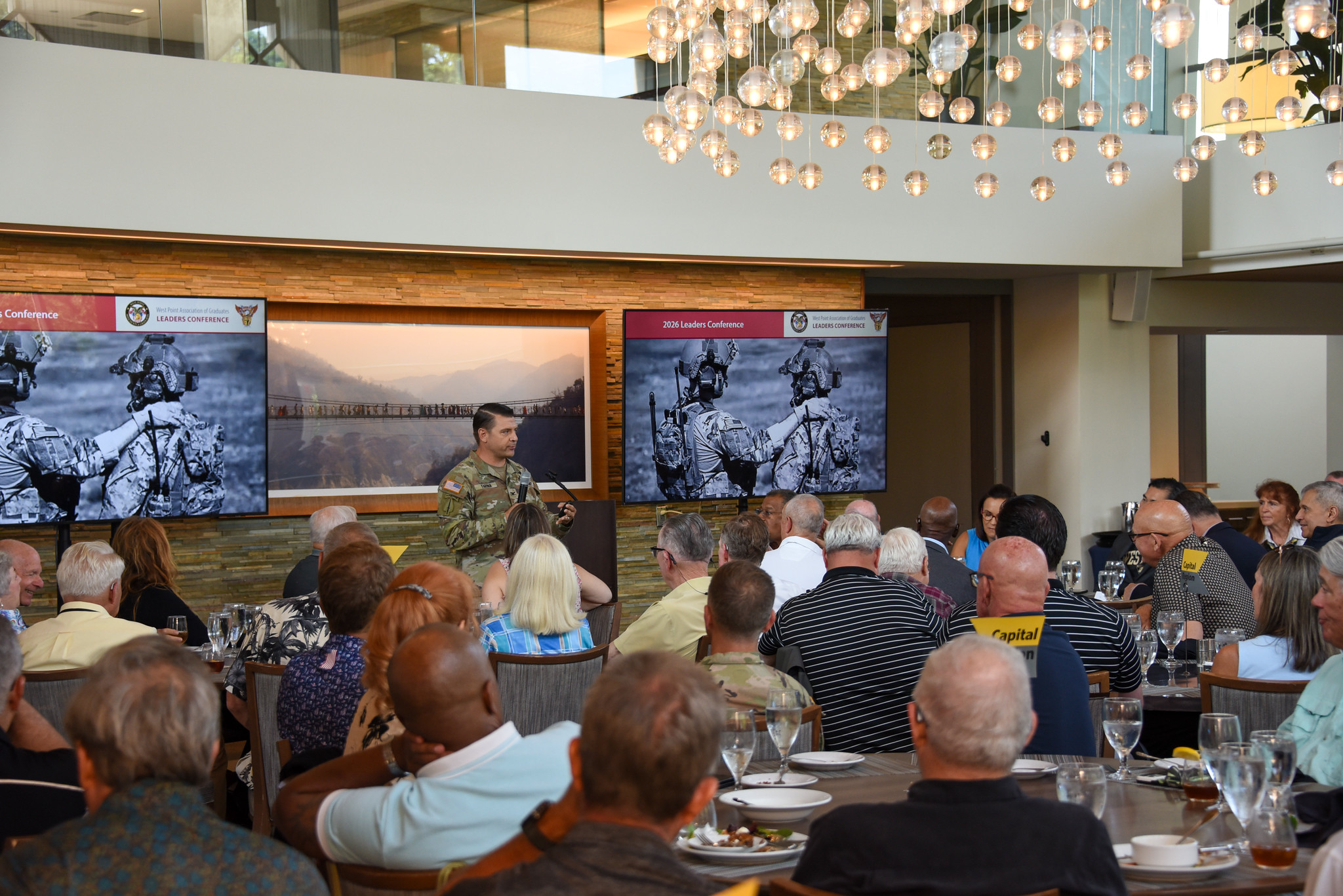
That need for wisdom and trust also anchored “Leading at the Decisive Point,” a luncheon presentation by COL Andrew Farina ’01, a professor and program director in West Point’s Department of Behavioral Sciences and Leadership. Drawing from combat experience and leadership research, Farina examined why people choose to follow a leader when the stakes are highest. He described trust as the product of perceived competence and perceived motive—whether followers believe their leader is capable and acting with their best interests in mind.
Conference discussions also looked backward to prepare for the future. During the evening program, BG (R) Lance Betros ’77, former head of West Point’s Department of History and founder of the West Point Center for Oral History, explained how firsthand stories help cadets grapple with the ambiguity, moral responsibility and human consequences of military decisions.
“History is of value not in conjuring up answers, but in asking the right questions,” Betros said. “Studying history helps us arrive at thoughtful, appropriate and humane solutions to the problems that confront us.”
Now about 20 years old, the donor-supported Center for Oral History has made more than 1,000 interviews available, preserving accounts from veterans of every U.S. conflict since World War I. Those interviews are incorporated into classroom discussions and the digital West Point History of Warfare, allowing cadets to move beyond the text and confront decisions through the voices of those who lived them.
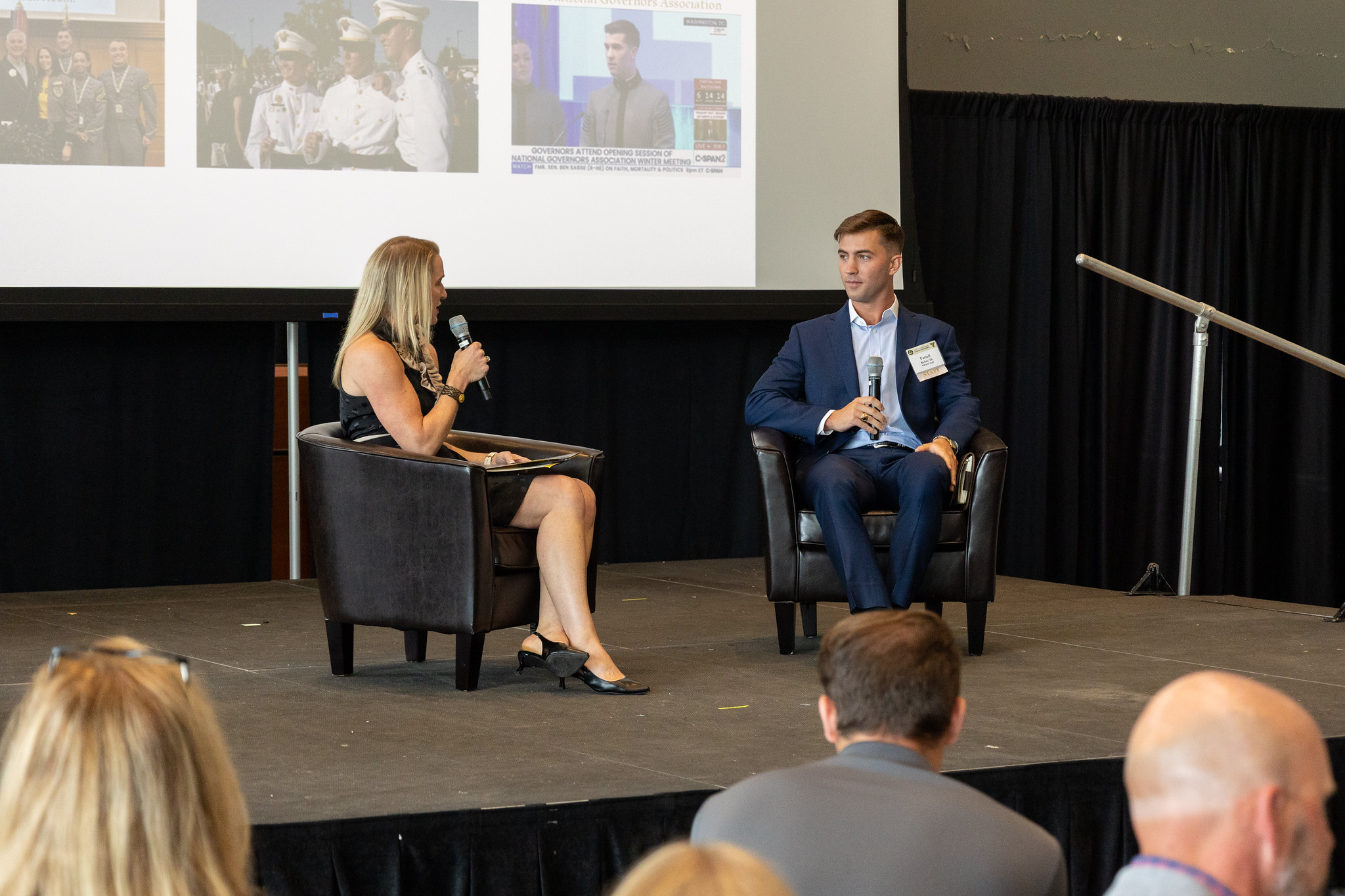
The impact of that investment came to life through 2LT Farrell Kehm ’26, who shared how WPAOG’s Margin of Excellence opportunities shaped him as a cadet and prepared him for service. From international travel and military experiences through the Brigadier General Peter M. Dawkins ’59 Scholars Program, donor-funded opportunities allowed Kehm and his classmates to explore specialized interests, test themselves and gain knowledge they can carry into the Army.
“I took full advantage of the Margin of Excellence,” Kehm said. “West Point is responsible for building the second lieutenant, but the Margin of Excellence is directly responsible for all of those experiences that make the West Point education world class.”
After graduating and before leaving for his Fulbright Scholarship studies in Sweden, Kehm spent the summer as an intern at WPAOG. While interning, Kehm said he gained a new appreciation for the graduates and volunteers who make those special experiences possible. “It really rests upon the shoulders of people in the classes who are willing to put in more than they’re expecting to get out of the AOG,” he said. “They are taking it from the stance of, ‘How can I just be here for the benefit of my teammates?’”
Kehm challenged those leaders to help cadets recognize the people behind the opportunities and see their own future in the Long Gray Line. “We want cadets to say, ‘Hey, I can see myself staying connected to the Long Gray Line and staying connected to my classmates, and wanting to come back to West Point,’” he said.
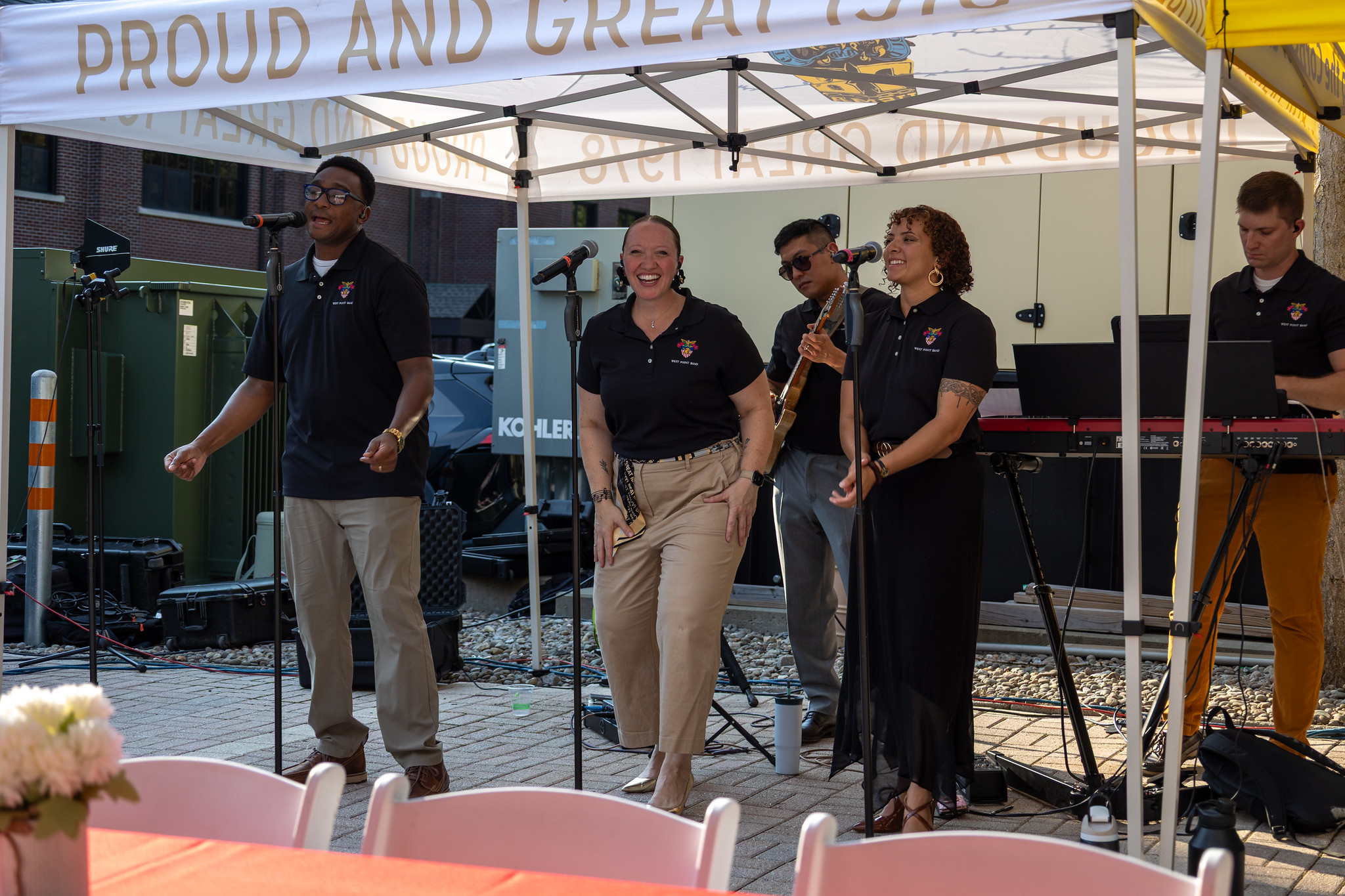
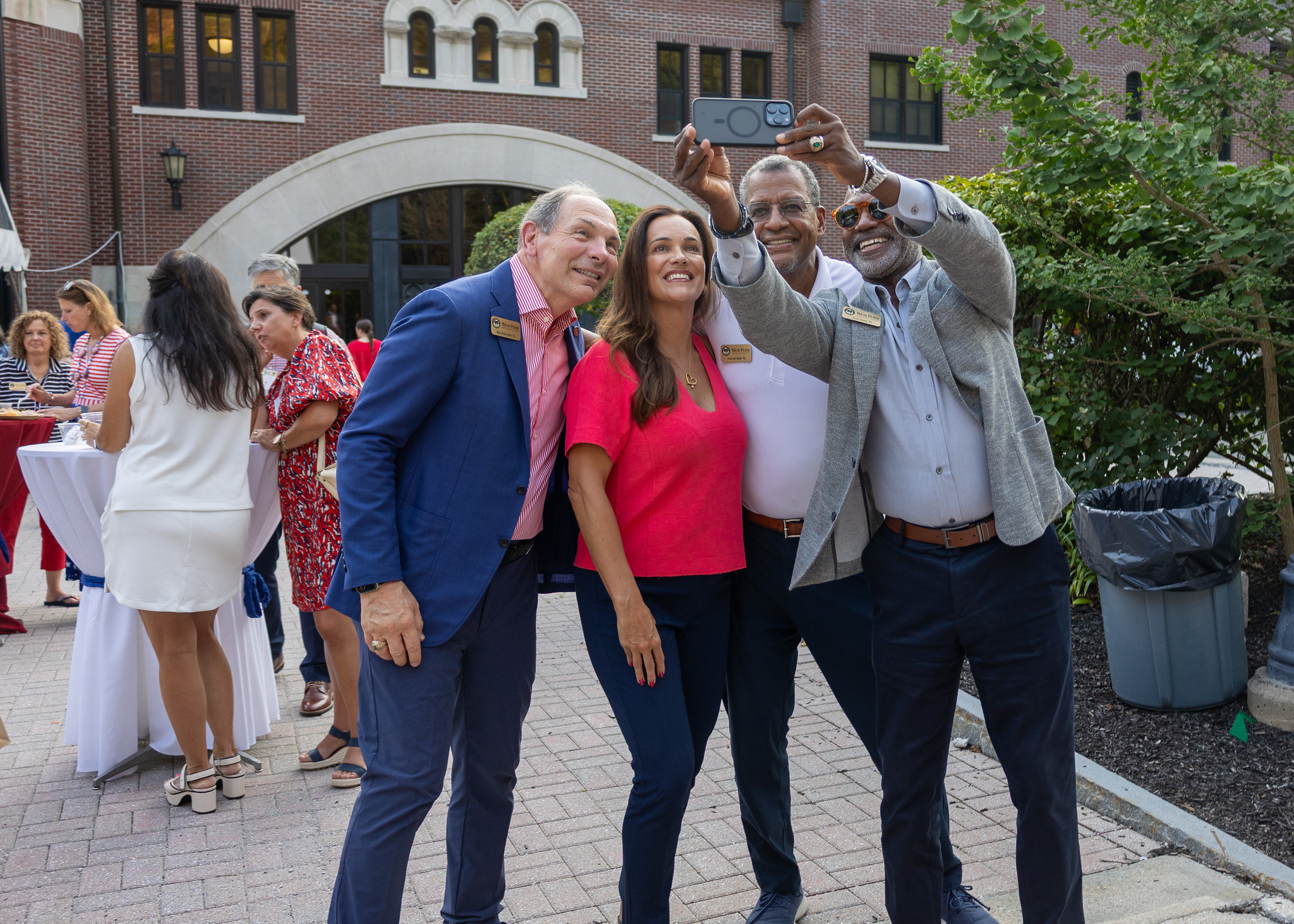
The conference extended beyond speaker keynotes, with constituent engagement sessions, an Academy update, the Superintendent’s Convocation, networking opportunities, tours, recreational events like golf and pistol shooting, and a Red, White & Tailgate celebration at Herbert Hall. The week concluded with the Acceptance Day Review, connecting the volunteer leaders’ work to the newest members of the Corps of Cadets and the future of the Long Gray Line.
Across every session, one message remained clear: new tools and new challenges may shape the years ahead, but West Point’s foundation endures. By strengthening trust, preserving stories, sharing experience and investing in cadets, WPAOG’s volunteer leaders are helping ensure that the values of “Duty, Honor, Country” continue to guide the Long Gray Line, and the nation, into its next 250 years.

The post WPAOG’s Leaders Conference Equips Long Gray Line to Lead into America’s Next 250 Years appeared first on West Point Association of Graduates.